9 July 2026
What Does PPC Mean? Pay Per Click Explained
PPC stands for pay per click, advertising where you pay only when someone clicks your ad. Here is how the auction works, what it really costs, and when it beats SEO.
PPC stands for pay per click. It is a model of online advertising where you pay only when someone actually clicks your ad, not for the ad being shown. The best-known example is Google Ads: you bid to appear in the sponsored results when someone searches for what you sell, and you are charged each time a searcher clicks through to your website. Social platforms like Facebook, Instagram, LinkedIn and TikTok run paid ads too, and the term PPC often covers those as well, but when a UK business owner asks us about PPC they almost always mean ads on Google.
The appeal is simple. Someone types "emergency roofer folkestone" at 7am with water coming through their ceiling, and your ad can be the first thing they see. You are not interrupting anyone. You are paying to be present at the exact moment a person is looking for what you do, and you pay nothing for the people who see your ad and scroll past.
PPC means you pay only when someone clicks your ad. Done well, it puts your business in front of people at the exact moment they are ready to buy.
Where PPC ads actually appear
On a Google results page, PPC ads sit above the unpaid listings and carry a small "Sponsored" label. Everything below them is organic, which is the territory SEO fights for. Here is the layout in simplified form.
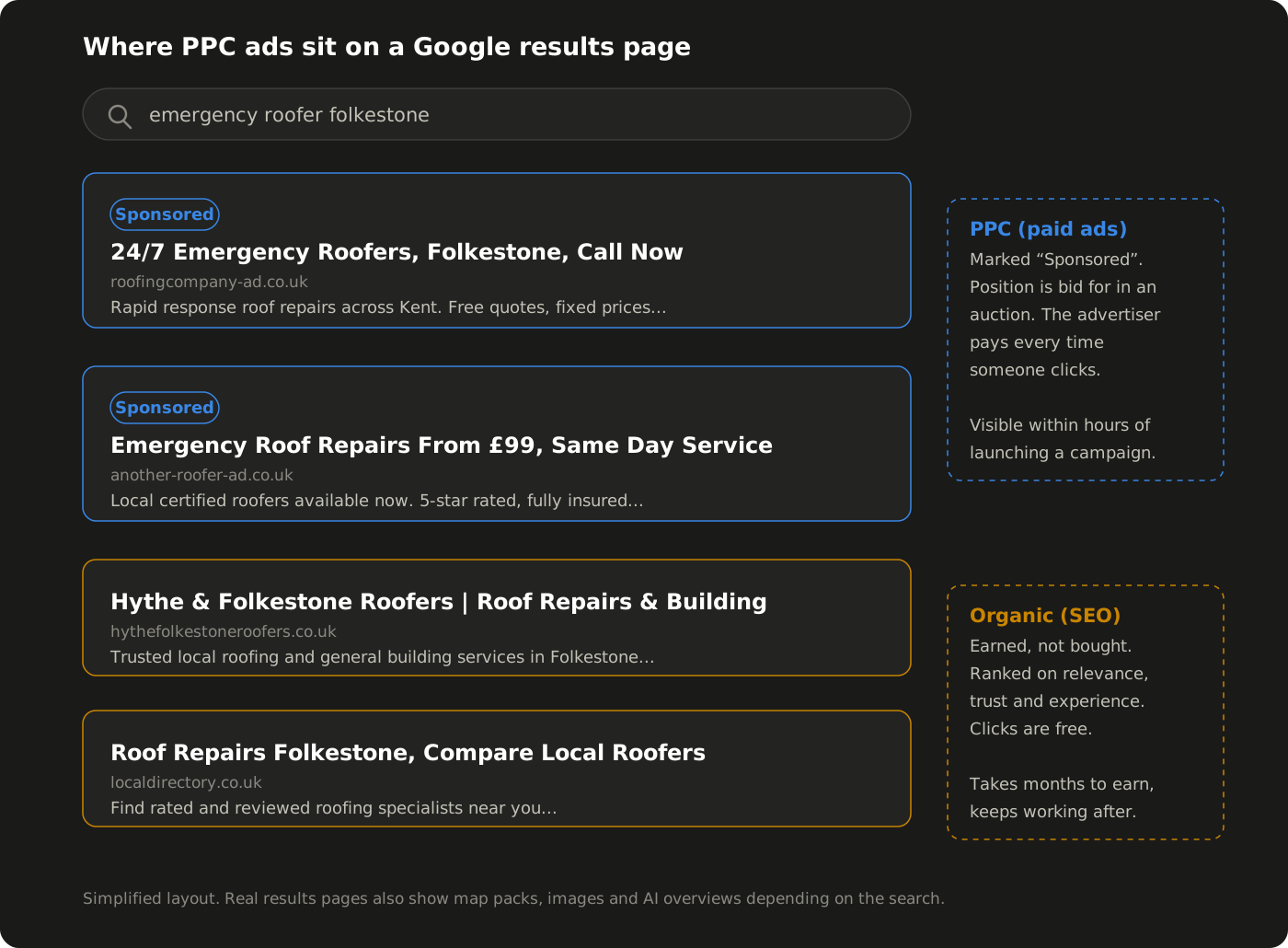
Ads can also appear at the bottom of the page, in Google Shopping, on Google Maps, on YouTube, and across millions of websites through the display network. But the sponsored slots at the top of a search results page are where most PPC budgets are won or lost, because that is where the buying intent is.
How the auction works
Every time someone searches, Google runs an instant auction between every advertiser bidding on that search. What surprises most people is that the highest bid does not simply win. Your position is decided by your bid multiplied by a quality score, which reflects how relevant your ad is to the search, how likely people are to click it, and how good the page you send them to is.
This is why PPC rewards craft. A well-built account with tightly relevant ads and a fast, persuasive landing page can pay less per click than a sloppy competitor bidding twice as much. It is also why the state of your website matters as much as the ads themselves. We build landing pages and websites alongside campaigns for exactly this reason: sending expensive clicks to a slow or confusing page is the quickest way to waste a budget. Google explains the mechanics in its own documentation on how the Google Ads auction works.
What does PPC actually cost?
You control the budget, and there is no minimum. The real question is what a click and, more importantly, an enquiry costs in your industry. Clicks in UK trades and home services typically cost a few pounds. Competitive sectors like insurance, finance and legal can run to £20, £50 or more per click.
Real numbers help here. One of our home improvement clients invested just over £74,000 in Google Ads across the last four months and received 3,103 paid enquiries from it, tracked through forms and phone calls. That works out between £23 and £25 per enquiry in every single one of those months, for jobs that are typically worth £1,000 to £10,000 each. For a business like that, £20 to £50 per enquiry is healthy, and the consistency matters as much as the number.
Just over £74,000 of managed spend, 3,103 enquiries, and a cost per enquiry that stayed between £23 and £25 every month. That is what a well-run PPC account looks like.
From working with clients across trades, healthcare and e-commerce, we have found the spend level matters far less than the discipline around it. A £1,000 monthly budget with proper conversion tracking, tight keywords and ruthless negative keyword lists will outperform £5,000 sprayed across broad targeting.
PPC vs SEO: which one do you need?
PPC and SEO compete for the same page but behave completely differently, and we wrote a full guide on what SEO is if you want the other half of this picture. The short version: PPC is instant but stops the moment you stop paying, while SEO takes months to build and then compounds.
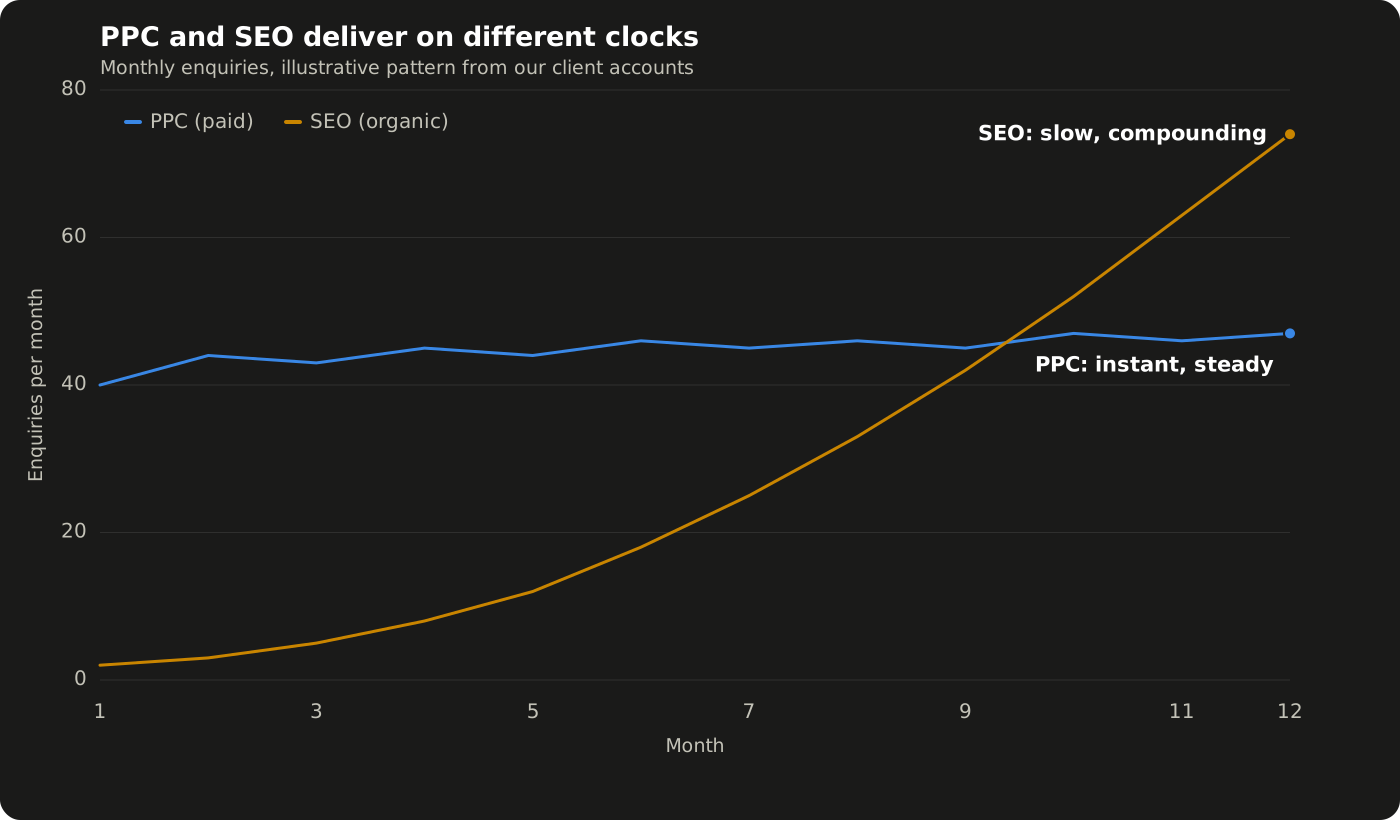
That pattern, drawn from what we see across our own client accounts, is why the honest answer is usually both, sequenced sensibly. PPC buys enquiries while SEO earns its momentum, then the organic side gradually reduces how much you need to spend to hit the same numbers. Businesses that treat them as rivals usually end up overpaying for one of them.
The mistakes we see most often
We have audited a lot of Google Ads accounts over our three years running campaigns, including accounts previously managed by other agencies, and the same problems appear again and again.
No conversion tracking. If you do not know which keywords produce phone calls and enquiries, you are not managing an account, you are guessing. It is the first thing we fix on every account we take over, before we change a single bid.
Broad match on small budgets. In our experience, phrase and exact match keywords in tightly themed ad groups work better than broad match for budgets under a few thousand pounds a month, because broad match needs a volume of conversion data that a small budget simply cannot buy. We have taken over accounts where a third of the spend was going on searches that had nothing to do with the business, and adding proper match types and negative keywords cut the cost per enquiry within weeks without any increase in budget.
No negative keywords. The searches you block are as important as the ones you bid on. "Free", "jobs", "DIY" and "course" quietly drain trade and service budgets everywhere.
Sending clicks to the homepage. An ad about emergency roof repairs should land on a page about emergency roof repairs, with a phone number in the first screen. Message match is half the battle.
The biggest PPC wins usually come from spending less on the wrong clicks, not spending more overall.
Is PPC right for your business?
PPC earns its keep when the maths works: what an enquiry costs you against what a customer is worth. It is especially strong for businesses that need leads now, for testing demand before committing to a long SEO campaign, and for high-value services where one job pays for a month of advertising. You can see the kinds of businesses we run campaigns for, from roofing firms to specialist installers, in our portfolio.
It is a poor fit when margins are thin and customer value is low, or when a website is not ready to convert the traffic. In those cases we will say so, because a PPC campaign that loses money helps nobody. If you want an independent explanation of the wider discipline, Semrush's guide to PPC is a solid, vendor-neutral overview.
Where to start
Start with the maths, not the platform. Work out what a new customer is worth to you, decide what you could sensibly pay for an enquiry, and set a test budget you can hold steady for two to three months. Make sure every form fill and phone call is tracked before the first pound is spent.
Or let us look at it with you. We manage PPC campaigns for UK businesses every day, and we offer a free review of your current account or a plan for a first campaign, including honest advice on whether PPC is the right tool for you at all. Get in touch and we will give you the numbers straight.
Want this working for your business?
Tell us where you are now. We will come back with a clear picture of where you are losing ground online, and exactly how we would fix it.